

BROWSE

READ

LISTEN

WATCH

SHOP



Latest Blog Posts
A collection of helpful articles curated and written by Gastro Girl.

August 22, 2024
Merch Drop!
The Gastro Girl Team is super excited to share our very first Merch Drop! Please check out our debut collection and let us know what you think! Your purchases support our patient-centric efforts to provide evidence-based digestive health education, content, access to expertise and support for everyone. Thank you!

April 1, 2023
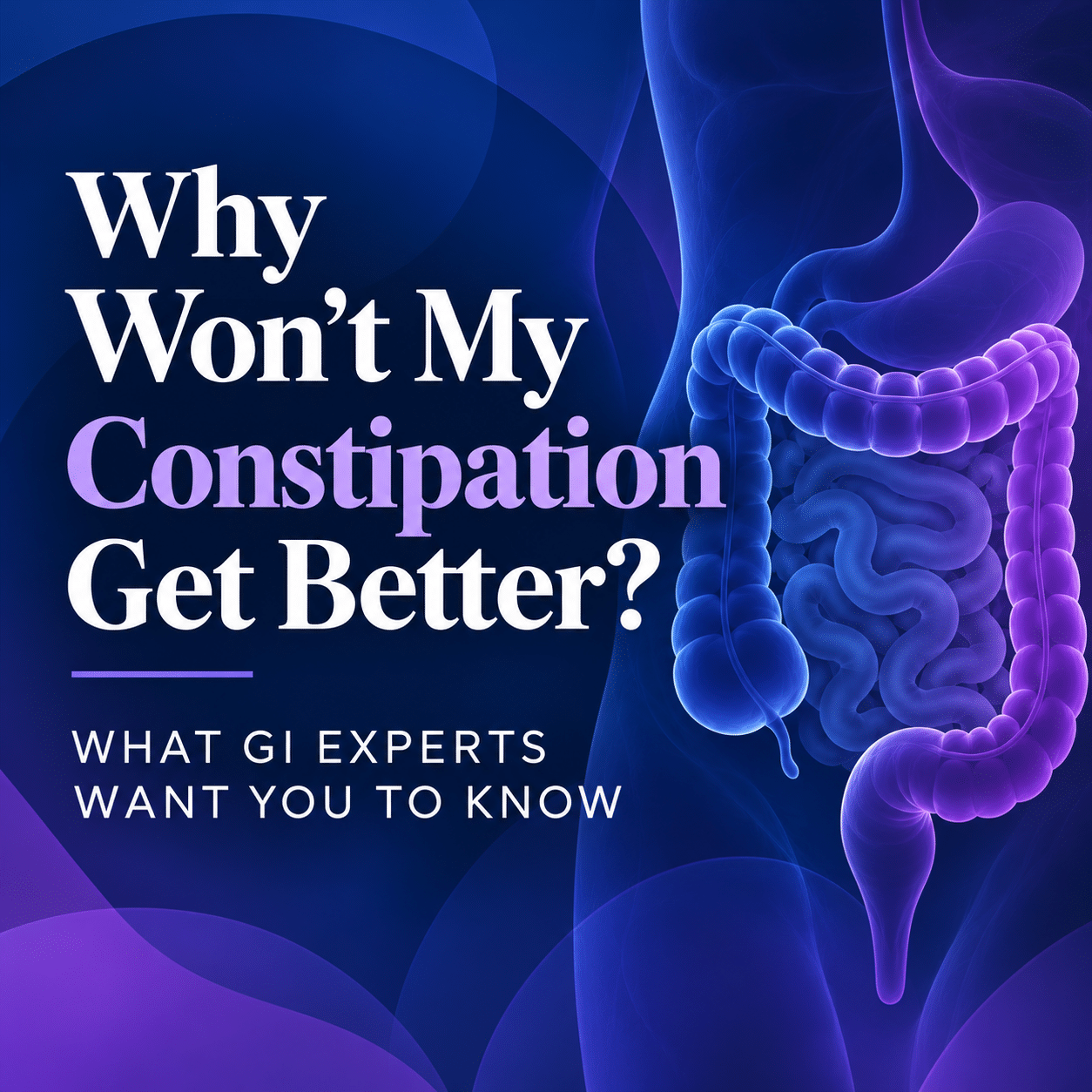
Tips for Providing Care to Older Adults with Digestive Issues
Digestive conditions can make caregiving seem daunting, so we’ve put together a few tips to make the situation easier for both you and your loved one!

February 28, 2025
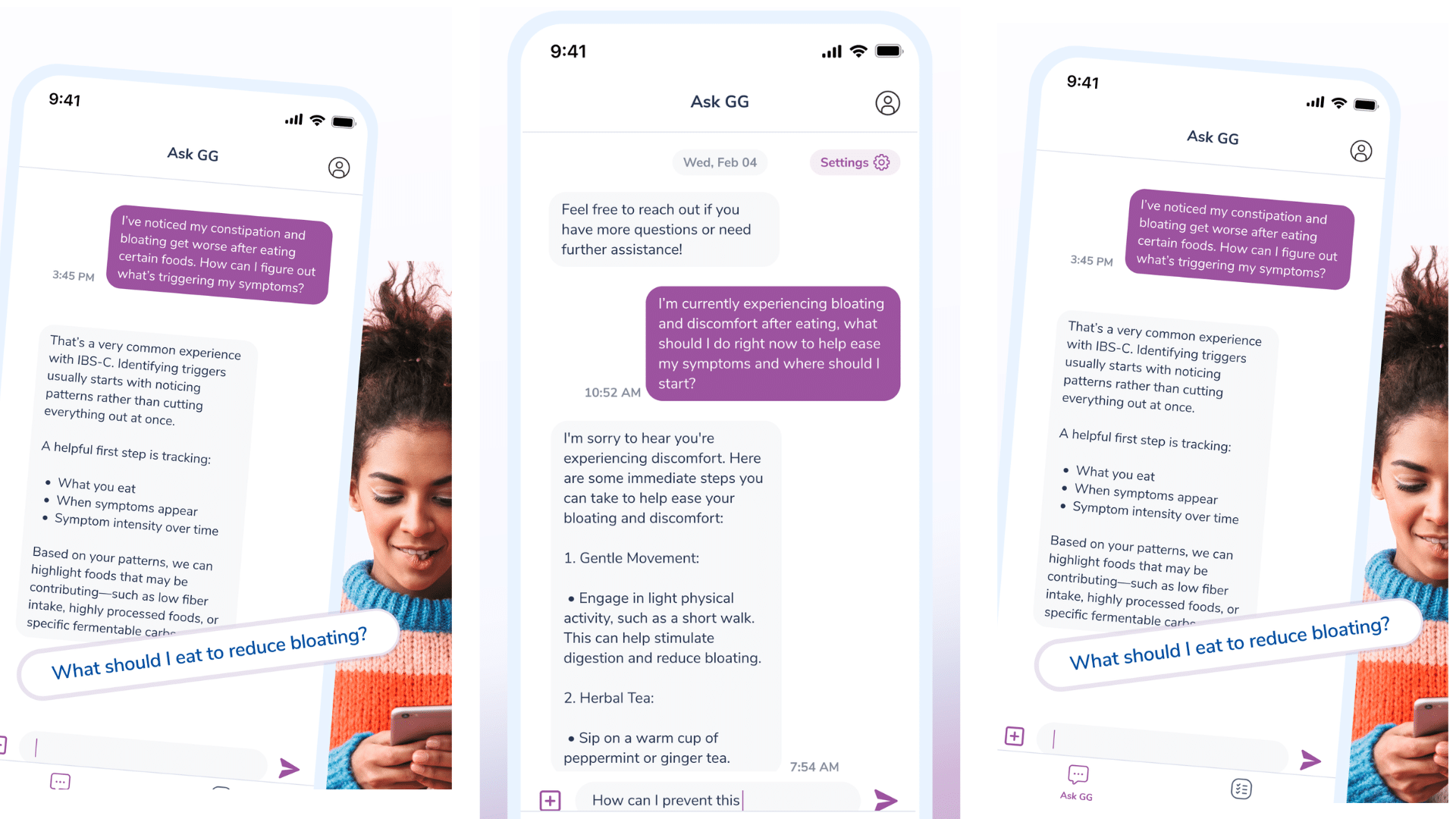
Article: Q&A: AI-powered app ‘digestive health companion’ empowers patients to improve gut health
Click here to read an article published by Healio about the Ask Gastro Girl App.

February 12, 2025
Article: Building a Repository of Answers to All Your Digestive Health Queries
Click here to read an article published by Medhealth Outlook about the Ask Gastro Girl App.


August 19, 2025
Struggling to Swallow: My EoE Journey



Gastro Girl Podcast
If you’re one of the 1 in 4 people who is living with a chronic digestive health condition , you’re not alone. Whether you’re just diagnosed, in remission, or trying to learn what is happening in your body and what you can do about it, then this podcast is for you.



October 7, 2026
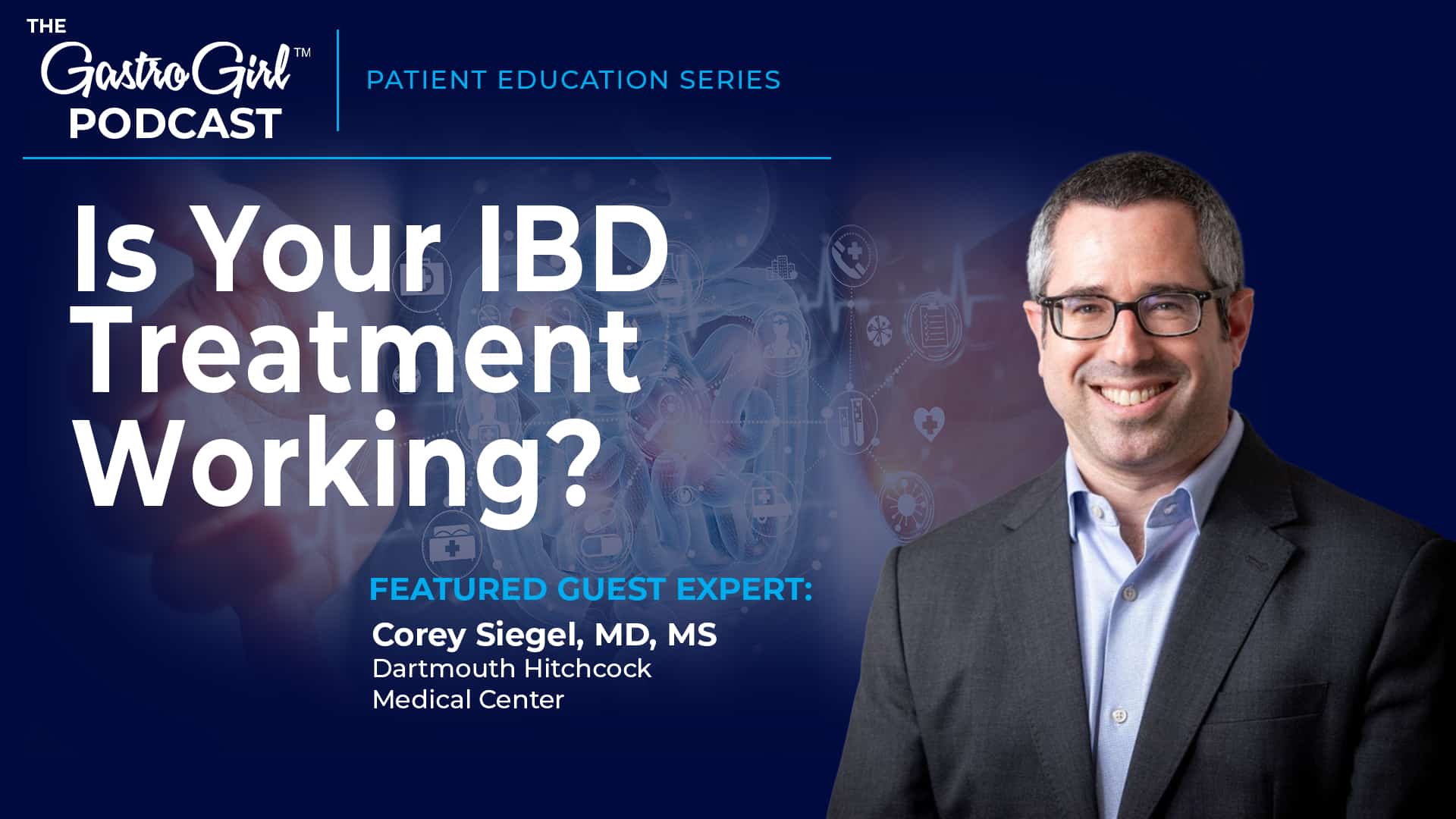
When IBD Treatment Isn’t Working: How to Know When It’s Time to Reassess
Living with inflammatory bowel disease (IBD) often means paying close attention to your symptoms and how well your treatment is controlling the disease. But what happens when you’re still having symptoms; or a treatment that once worked doesn’t seem to be working as well anymore? In this episode, Dr. Corey Siegel, an IBD specialist and Director of the Center for Digestive Health at Dartmouth Hitchcock Medical Center, joins us to explain how patients and their healthcare teamsa can recognize when an IBD treatment may not be achieving its goals and when it may be time to reassess the treatment plan. We discuss what successful IBD treatment can look like, why response to treatment may change over time, and how healthcare teams determine whether ongoing symptoms are caused by active IBD or something else. In this episode, you’ll learn: – What successful IBD treatment can look like – How long it may take to evaluate whether a treatment is working – Why a treatment that once worked may become less effective – How healthcare teams determine whether symptoms are caused by active IBD or something else – What treatment optimization means and when a different approach may be considered – Why your goals, concerns, and preferences matter when making treatment decisions with your healthcare team Dr. Siegel also explains why ongoing monitoring and open communication with your healthcare team are important and how shared decision-making can help patients and clinicians determine the next steps in IBD care. This episode was produced by Gastro Girl with support from Sanofi.
October 6, 2026
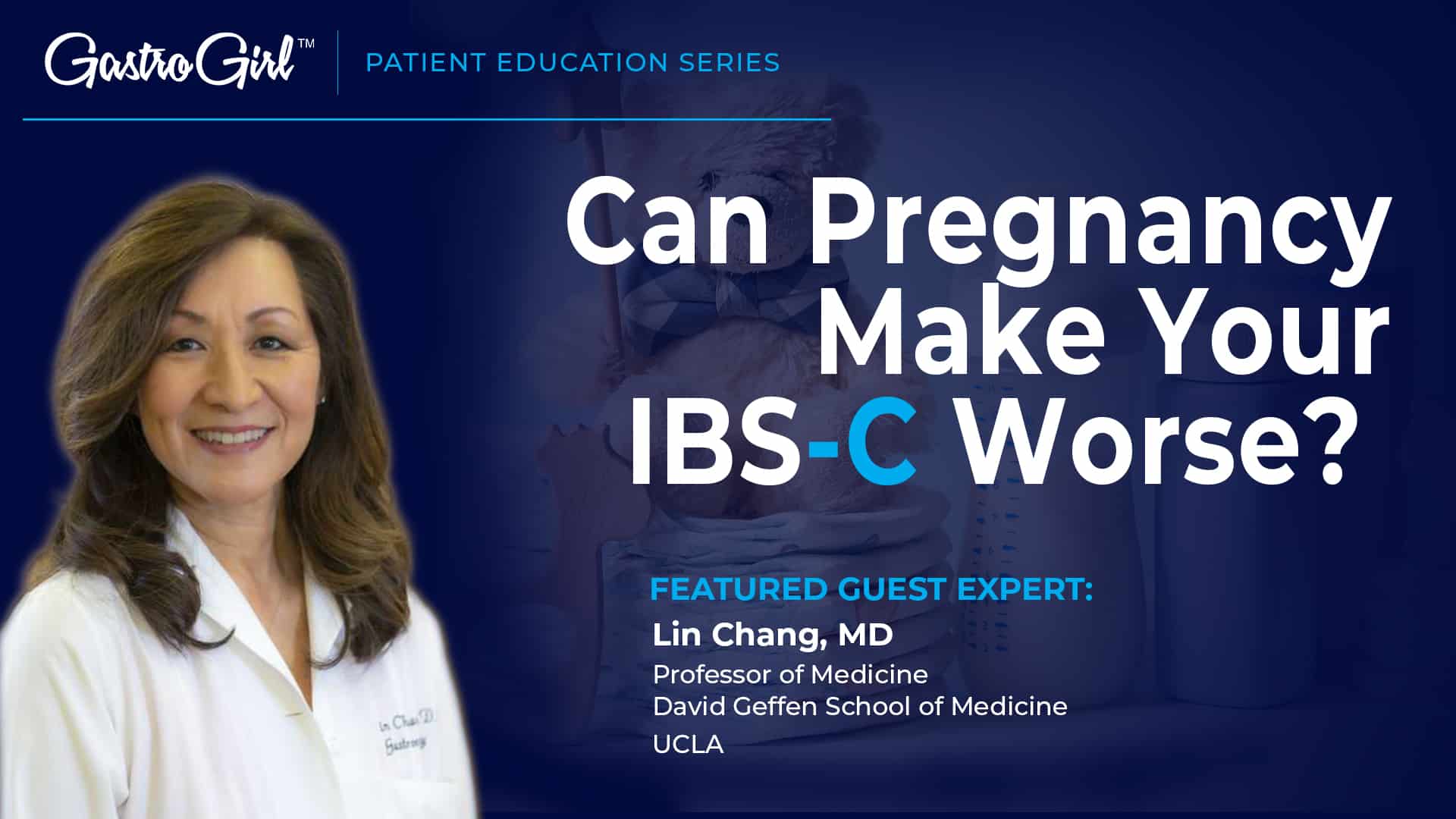
IBS-C During Pregnancy: What You Need to Know About Constipation & Bloating
Can pregnancy make IBS-C worse? Pregnancy can bring major changes to digestion and bowel habits. But if you’re already living with irritable bowel syndrome with constipation (IBS-C), bloating, abdominal discomfort, or chronic constipation, it can be difficult to know what’s related to pregnancy—and what may be related to your digestive condition. In this episode of the Gastro Girl Health Podcast, Dr. Lin Chang, Professor of Medicine at the David Geffen School of Medicine at UCLA and a leading expert in disorders of gut-brain interaction and women’s digestive health, explains what patients should know about IBS-C and constipation during pregnancy. You’ll learn: – How pregnancy-related constipation differs from IBS-C – Why IBS symptoms may change during pregnancy – What may contribute to increased bloating and constipation – Diet and lifestyle strategies to discuss with your healthcare provider – What to know about the low-FODMAP diet during pregnancy – Treatment and medication considerations – Symptoms that shouldn’t automatically be attributed to IBS or pregnancy If you’re pregnant—or planning a pregnancy—and live with IBS-C or chronic constipation, this conversation can help you better understand your symptoms and prepare for conversations with your healthcare team. This patient education episode was produced by Gastro Girl in collaboration with the American College of Gastroenterology Patient Care Committee. #IBSC #Pregnancy #Constipation #IBS #Bloating #DigestiveHealth
September 28, 2026
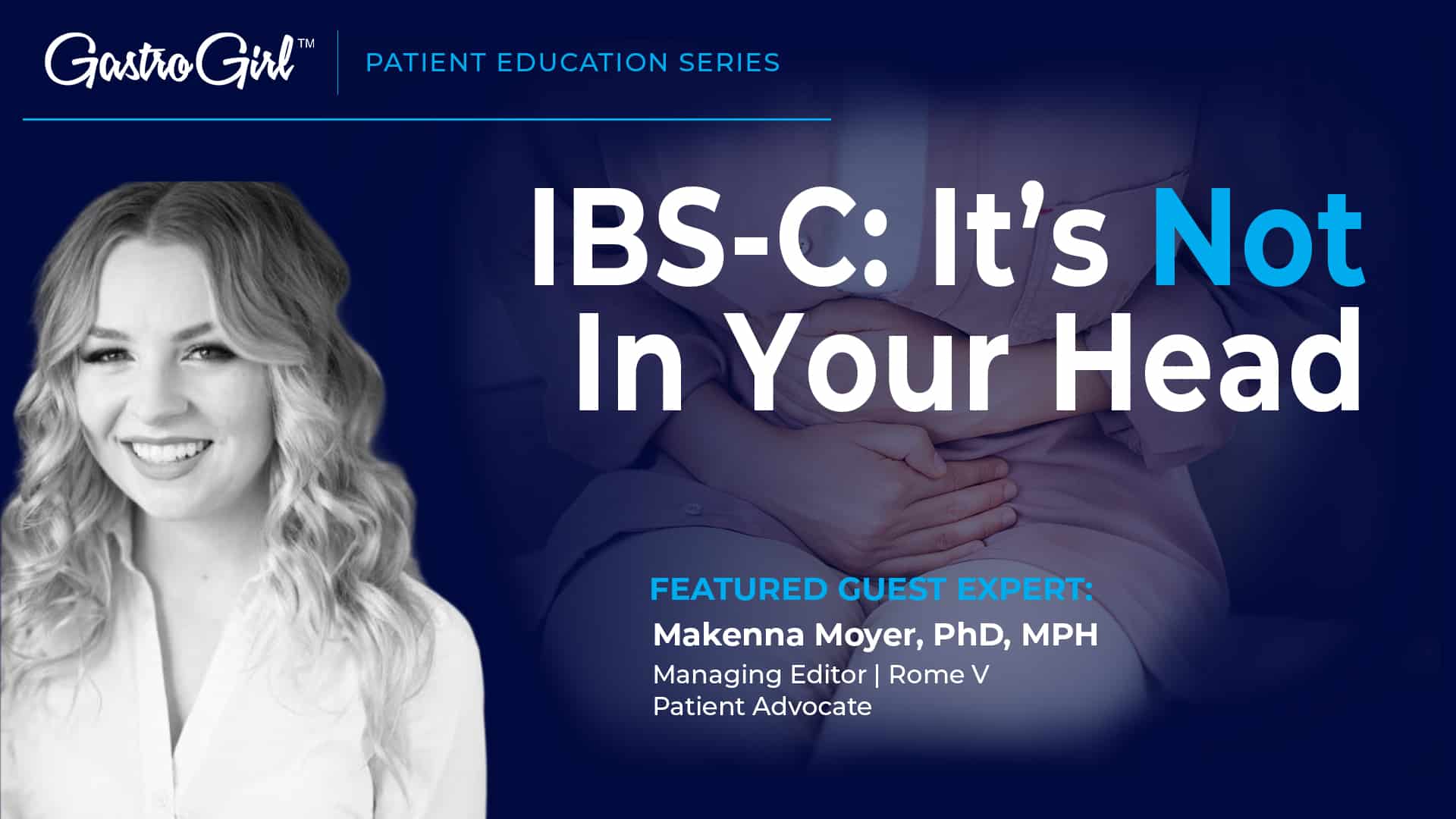
IBS-C: It’s Not All in Your Head
If you’ve been struggling with symptoms of Irritable Bowel Syndrome with Constipation (IBS-C)—or have ever felt like your symptoms weren’t being taken seriously—this episode is for you. Makenna shares her personal journey of living with IBS-C, from first experiencing symptoms in high school to spending years searching for answers while being told there wasn’t really anything wrong. Her experience ultimately helped shape her professional path: she went on to earn her PhD, with research focused on IBS. In this conversation, Makenna opens up about the physical and emotional impact of living with IBS-C and the challenges patients can face when trying to explain symptoms that aren’t always visible. We also explore the gut-brain connection, how IBS-C symptoms can overlap with gynecologic issues, lifestyle factors that may affect symptoms, and why communicating clearly with your healthcare provider matters. In this episode, you’ll learn: – Common signs and symptoms associated with IBS-C – How IBS-C symptoms can overlap with gynecologic issues – What the gut-brain connection means for people living with IBS-C – Lifestyle factors that may affect symptoms – How to more effectively describe your symptoms to your healthcare provider – Why finding an individualized approach to managing IBS-C matters IBS-C can significantly affect daily life and quality of life, but there are treatment and management options available. Whether you’re newly experiencing symptoms or have been living with IBS-C for years, this conversation can help you better understand the condition and prepare for more productive conversations with your healthcare team. This episode was produced by Gastro Girl with support from Ardelyx.
September 15, 2026
Cirrhosis Explained: How to Stay Healthy and Prevent Complications
A diagnosis of cirrhosis can feel overwhelming, but understanding what’s happening in your liver—and knowing what you can do to protect your health—can make a meaningful difference. In this episode, Gastro Girl host Jacqueline Gaulin is joined by Jennifer Lai, MD, MBA, a hepatologist at the University of California, San Francisco (UCSF), for a practical conversation about living with cirrhosis and reducing the risk of complications. Dr. Lai explains what cirrhosis is, why ongoing monitoring and regular medical care are so important, and how nutrition, physical activity, and maintaining muscle can play an important role in overall health. She also discusses complications people with cirrhosis should be aware of, warning signs that may require medical attention, and how patients can work with their healthcare team to stay as healthy as possible. In this episode, you’ll learn: – What cirrhosis is and what it means for your liver – Why regular monitoring and follow-up care matter – How nutrition and muscle health can affect people with cirrhosis – Common complications of cirrhosis and what to watch for – Practical steps you can take to protect your health – How to stay actively involved in your care Whether you’ve recently been diagnosed with cirrhosis, have been living with chronic liver disease for some time, or are caring for someone with cirrhosis, this conversation will help you better understand the condition, know what to expect, and feel more prepared to talk with your healthcare team. This patient education episode was produced by Gastro Girl in collaboration with the American College of Gastroenterology Patient Care Committee.

September 8, 2026
Living With IBD: What Remission Looks Like
For many people living with inflammatory bowel disease (IBD), understanding what remission actually means can be confusing. If your symptoms improve, does that mean your IBD is under control? And if you’re in remission, is the disease gone for good? In Part 2 of our conversation with IBD expert Dr. Jessica Allegretti, we explore what remission means in IBD and why feeling better is only one part of the picture. We discuss: – Clinical remission versus endoscopic remission – What mucosal healing means – The treat-to-target approach in IBD care – Why modern treatment goals focus on long-term disease control – How controlling inflammation may help reduce the risk of future complications Understanding both how you feel and what may be happening inside your body can help you have more informed conversations with your healthcare team and take an active role in managing your IBD. Subscribe to Gastro Girl for more expert-led conversations designed to help you navigate digestive health with confidence. This educational initiative is sponsored by Merck.
August 25, 2026
What Does Your Immune System Have to Do With IBD?
Why does the immune system cause inflammation in Crohn’s disease and ulcerative colitis? And what do the gut microbiome, intestinal lining, and genetics have to do with inflammatory bowel disease (IBD)? In this episode of the Gastro Girl Podcast, host Jacqueline Gaulin talks with gastroenterologist and IBD expert Dr. Colleen Kelly about the important connection between the gut and immune system in IBD. Dr. Kelly explains how Crohn’s disease and ulcerative colitis are immune-mediated diseases, why the immune system becomes involved in intestinal inflammation, and how interactions among the immune system, gut lining, genetics, and the trillions of microorganisms that make up the gut microbiome may contribute to IBD. You’ll learn: – How the immune system and digestive tract normally work together – What happens to the immune response in IBD – Why inflammation develops in Crohn’s disease and ulcerative colitis – How the intestinal barrier, or gut lining, fits into the picture – What scientists understand about the gut microbiome and IBD – Why IBD involves much more than digestive symptoms – How understanding the biology of IBD can help you have more informed conversations with your healthcare team Whether you’ve recently been diagnosed with Crohn’s disease or ulcerative colitis, are living with IBD, or are supporting someone who is, this patient-focused conversation provides an accessible foundation for understanding what is happening inside the body and why it matters for managing IBD. This educational initiative is sponsored by Merck.


Health Hub
 Diarrhea
Eosinophilic Esophagitis
Poop
IBS-C
Irritable Bowel Syndrome
IBS
Abdominal Pain
Bowel Obstruction
Diarrhea
Eosinophilic Esophagitis
Poop
IBS-C
Irritable Bowel Syndrome
IBS
Abdominal Pain
Bowel Obstruction
SELECT A TOPIC!


Video Gallery
October 7, 2026
When IBD Treatment Isn’t Working: How to Know When It’s Time to Reassess
Living with inflammatory bowel disease (IBD) often means paying close attention to your symptoms and how well your treatment is controlling the disease. But what happens when you’re still having symptoms; or a treatment that once worked doesn’t seem to be working as well anymore? In this episode, Dr. Corey Siegel, an IBD specialist and Director of the Center for Digestive Health at Dartmouth Hitchcock Medical Center, joins us to explain how patients and their healthcare teamsa can recognize when an IBD treatment may not be achieving its goals and when it may be time to reassess the treatment plan. We discuss what successful IBD treatment can look like, why response to treatment may change over time, and how healthcare teams determine whether ongoing symptoms are caused by active IBD or something else. In this episode, you’ll learn: – What successful IBD treatment can look like – How long it may take to evaluate whether a treatment is working – Why a treatment that once worked may become less effective – How healthcare teams determine whether symptoms are caused by active IBD or something else – What treatment optimization means and when a different approach may be considered – Why your goals, concerns, and preferences matter when making treatment decisions with your healthcare team Dr. Siegel also explains why ongoing monitoring and open communication with your healthcare team are important and how shared decision-making can help patients and clinicians determine the next steps in IBD care. This episode was produced by Gastro Girl with support from Sanofi.
October 6, 2026
IBS-C During Pregnancy: What You Need to Know About Constipation & Bloating
Can pregnancy make IBS-C worse? Pregnancy can bring major changes to digestion and bowel habits. But if you’re already living with irritable bowel syndrome with constipation (IBS-C), bloating, abdominal discomfort, or chronic constipation, it can be difficult to know what’s related to pregnancy—and what may be related to your digestive condition. In this episode of the Gastro Girl Health Podcast, Dr. Lin Chang, Professor of Medicine at the David Geffen School of Medicine at UCLA and a leading expert in disorders of gut-brain interaction and women’s digestive health, explains what patients should know about IBS-C and constipation during pregnancy. You’ll learn: – How pregnancy-related constipation differs from IBS-C – Why IBS symptoms may change during pregnancy – What may contribute to increased bloating and constipation – Diet and lifestyle strategies to discuss with your healthcare provider – What to know about the low-FODMAP diet during pregnancy – Treatment and medication considerations – Symptoms that shouldn’t automatically be attributed to IBS or pregnancy If you’re pregnant—or planning a pregnancy—and live with IBS-C or chronic constipation, this conversation can help you better understand your symptoms and prepare for conversations with your healthcare team. This patient education episode was produced by Gastro Girl in collaboration with the American College of Gastroenterology Patient Care Committee. #IBSC #Pregnancy #Constipation #IBS #Bloating #DigestiveHealth

Trusted Picks
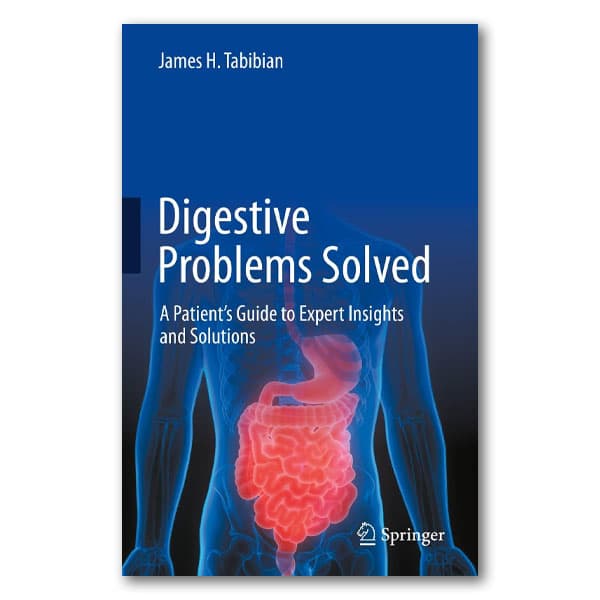
Digestive Problems Solved: A Patient’s Guide to Expert Insights and Solutions
More than one billion individuals worldwide experience digestive or gastrointestinal (GI) problems, including acid reflux, bloating, constipation, diarrhea, and many[…]

Boo Can’t Poo
This hilarious board book is sure to get your little ones giggling and going! Join Boo the constipated ghost on[…]

Gut: An Owner’s Guide (The Body Literacy Library)
Gut: An Owner’s Guide is an informative, practical, and engaging introduction to this hidden-away part of the body. We tend[…]

Mind Your Gut: The Science-based, Whole-body Guide to Living Well with IBS
Two IBS experts—a New York Times bestselling author and a renowned GI psychologist—offer a groundbreaking, holistic approach with the most[…]


Contact Us
Use this form to get in touch with us!
"*" indicates required fields

Testimonials
“Gastro Girl provides all the elements needed for individuals with chronic digestive health symptoms and conditions to obtain up-to-date information, to take control and be coached in the process.”


“Patients with digestive disorders need accessibility to dietitians with GI nutrition expertise who can provide up-to-date and individualized nutritional interventions to address the complexity of symptoms in digestive conditions.“

“The Gastro Girl platform will address critical needs for patients and providers. It will streamline communication with the potential to optimize treatment which are both critical aspects of patient wellbeing.”



Listen to our
latest Podcast!
This will close in 0 seconds