

IBS-C: Expert Answers, Patient Perspectives & Resources
Living with irritable bowel syndrome with constipation (IBS-C) can mean dealing with much more than constipation. Abdominal pain, bloating, discomfort and unpredictable bowel habits can affect what you eat, where you go and how you feel day to day.
If you’ve recently been diagnosed with IBS-C—or you’ve been living with symptoms for years—you may still have questions about what’s happening in your gut and what you can do about it.
Gastro Girl brings together leading digestive health experts and patient perspectives to help you better understand IBS-C, explore approaches to managing symptoms and have more informed conversations with your healthcare provider.
Understanding IBS with Constipation
IBS-C is a chronic disorder of gut-brain interaction characterized by recurrent abdominal pain associated with changes in bowel movements, with constipation being the predominant bowel pattern. But this condition can look and feel different from person to person. Some people may be most troubled by constipation, while others struggle with bloating, abdominal pain or the feeling that they haven’t completely emptied their bowels. Symptoms may also change over time. Understanding what may be contributing to your symptoms—and knowing that there are different approaches to managing IBS-C—can be an important part of finding a care plan that works for you.
Get Expert Answers
In this Gastro Girl IBS-C series, leading GI experts answer common questions about IBS-C and discuss what patients should know about symptoms, treatment and managing the condition over time.
IBS-C & Bloating: Why It Happens and How to Find Relief Featuring Brian Lacy, MD, PhD, FACG
Feel like you’re always bloated—and also constipated? Dr. Brian Lacy explains what may be happening in your gut with IBS-C and how constipation, changes in gut movement and increased gut sensitivity can work together to contribute to bloating. WATCH OR LISTEN TO THE EPISODE
Why IBS-C Treatments Work Differently for Everyone: What Patients Should Know Featuring Darren Brenner, MD
Why does one IBS-C treatment work for someone else—but not for you? In this episode of the Gastro Girl podcast, leading gastroenterologist Darren M. Brenner. MD, FACG, of Northwestern Medicine, explains why treating IBS-C (irritable bowel syndrome with constipation) is not one-size-fits-all. WATCH OR LISTEN TO THE EPISODE
Treatments Not Working? What to Do Next Featuring William D. Chey, MD, MACG
Many people with irritable bowel syndrome with constipation (IBS-C) feel frustrated when symptoms persist despite treatment. But when treatments don’t work, it may be time to take a closer look at what’s really going on. Dr. William D. Chey, world-renowned gastroenterologist at the University of Michigan and President of the American College of Gastroenterology, discusses what patients should do when IBS-C treatments fail. Dr. Chey explains why some patients continue to struggle, what conditions may be overlooked, and how to work with your healthcare provider to develop a more effective plan. WATCH OR LISTEN TO THE EPISODE
The Patient Voice: It’s Not All in Your Head
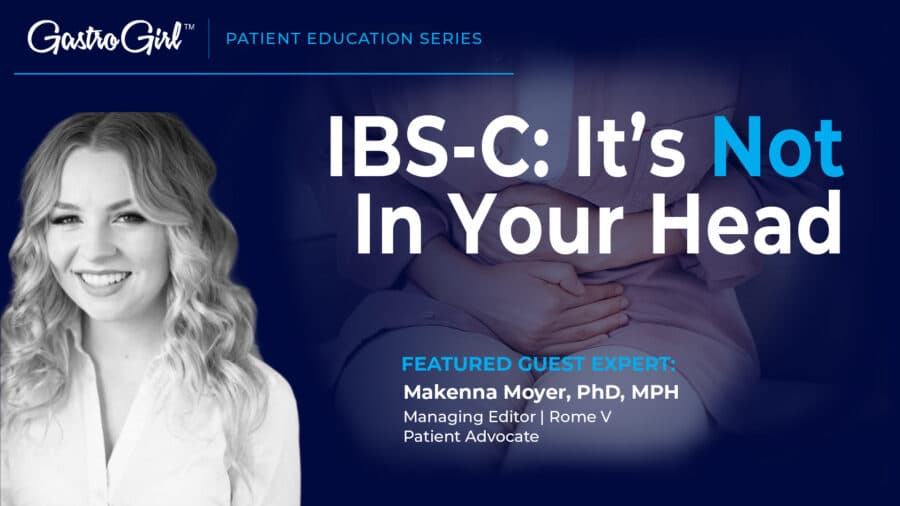
If you’ve been struggling with symptoms of Irritable Bowel Syndrome with Constipation (IBS-C)—or have ever felt like your symptoms weren’t being taken seriously—this episode is for you.
Makenna shares her personal journey of living with IBS-C, from first experiencing symptoms in high school to spending years searching for answers while being told there wasn’t really anything wrong. Her experience ultimately helped shape her professional path: she went on to earn her PhD, with research focused on IBS. WATCH OR LISTEN TO THE EPISODE
Understand Your Diagnosis
Receiving an IBS-C diagnosis can bring relief because you finally have a name for what you’ve been experiencing—but it can also lead to a lot of questions
Why is this happening? Is IBS-C chronic? What can I do about it? What if my current treatment isn’t helping enough?
Learning about your condition is an important first step. IBS-C is a chronic condition, but that doesn’t mean you should simply accept symptoms that continue to interfere with your daily life. If you’re still experiencing constipation, abdominal pain, bloating or other symptoms, talk openly with your healthcare provider about what you’re experiencing. Understanding your symptoms and how they affect your life can help you and your provider evaluate whether your current management approach is meeting your needs.
Questions to Ask Your Healthcare Provider
Not sure where to start? Consider bringing some of these questions to your next appointment:
- What may be contributing to my IBS-C symptoms?
- What are the goals of treating IBS-C?
- What treatment approaches are available?
- How will we know whether my current treatment is working?
- How long should I try a treatment before we evaluate whether it’s helping?
- What should I do if I’m still experiencing constipation, abdominal pain or bloating?
- Are there dietary or lifestyle strategies that may help?
- When should we consider changing my treatment plan?
- When should I contact you about new or changing symptoms?
Keep Learning
The more you understand about IBS-C, the better prepared you can be to describe what you’re experiencing, ask questions and participate in decisions about your care. Explore the complete Gastro Girl IBS-C series for expert conversations and patient perspectives designed to help you better understand your digestive health. WATCH THE COMPLETE IBS-C VIDEO SERIES ON YOUTUBE
Helpful Resources
IBS-C Assessment: Since there are different underlying causes of IBS-C, there is no single treatment approach that is right for everyone. Download this form, answer the following questions about your symptoms and then share this form with your healthcare provider so that you and your healthcare provider can determine whether your current treatment is right for you, or if it makes sense to try a different approach.
IBS-C Discussion Guide: There is no one-size-fits-all medication for Irritable Bowel Syndrome with Constipation (IBS-C). That’s why it’s important to talk with your healthcare provider about how you are feeling and about available IBS-C medication options. Use this Discussion Guide to help make the most of your time with your healthcare provider.
This educational initiative is supported by Ardelyx.
Medical Disclaimer
This content is for educational and informational purposes only and is not intended as medical advice or as a substitute for care from a qualified healthcare professional. Always talk with your healthcare provider about your symptoms, diagnosis and treatment options.


Featured Articles
June 24, 2023
Tenapanor (IBSRELA) for Treatment of IBS-C: Effective Over 26 Weeks
Conventionally, patients with irritable bowel syndrome (IBS) are subgrouped based on their predominant bowel habit. Given the relevance of psychological comorbidity to IBS symptoms, our aim was to explore an alternative approach to subgrouping by incorporating factors beyond stool form and frequency.
June 24, 2023
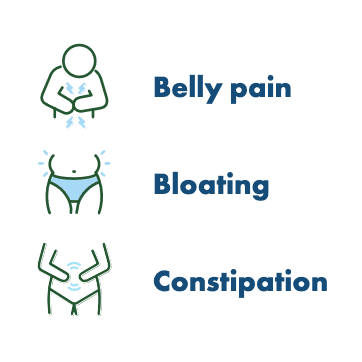
Let’s talk about your IBS-C symptoms
Since there are different underlying causes of IBS-C, there is no single treatment approach that is right for everyone. This form will help you and your healthcare provider determine whether your current treatment is right for you, or if it makes sense to try a different approach.

June 24, 2023
The Low FODMAP Diet for Irritable Bowel Syndrome (IBS)
Not sure what the low FODMAP diet is or if it is right for you? Get the evidence-based information you need to know before trying this approach from instructor Emily Haller, MS, RDN
June 24, 2023
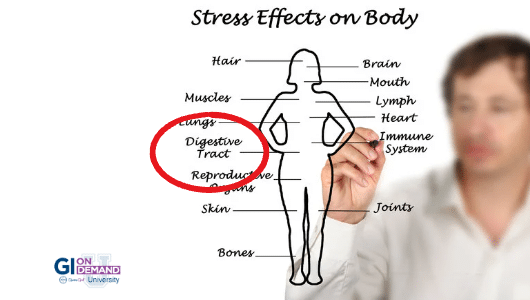
Stress and Your Gut: Why it Matters in Digestive Conditions
In this FREE WEBINAR, Megan Riehl, PsyD, MA, explains: Why the brain-gut axis matters in GI conditions, how to calm your stomach during times of stress, which digestive conditions respond well to improvements in stress management and more!



Let’s Keep in Touch!
Subscribe to get the latest news and content delivered straight to your inbox.
Listen to our
latest Podcast!